Country
Italy
Location
Lake Como

Author
The Lake Proposal
What to Say When You Propose (and How It Sounds on Film)
A few honest sentences are enough. How to shape what you say when you propose, with example lines, tips for nerves and the ring box, and how the words sound on film.
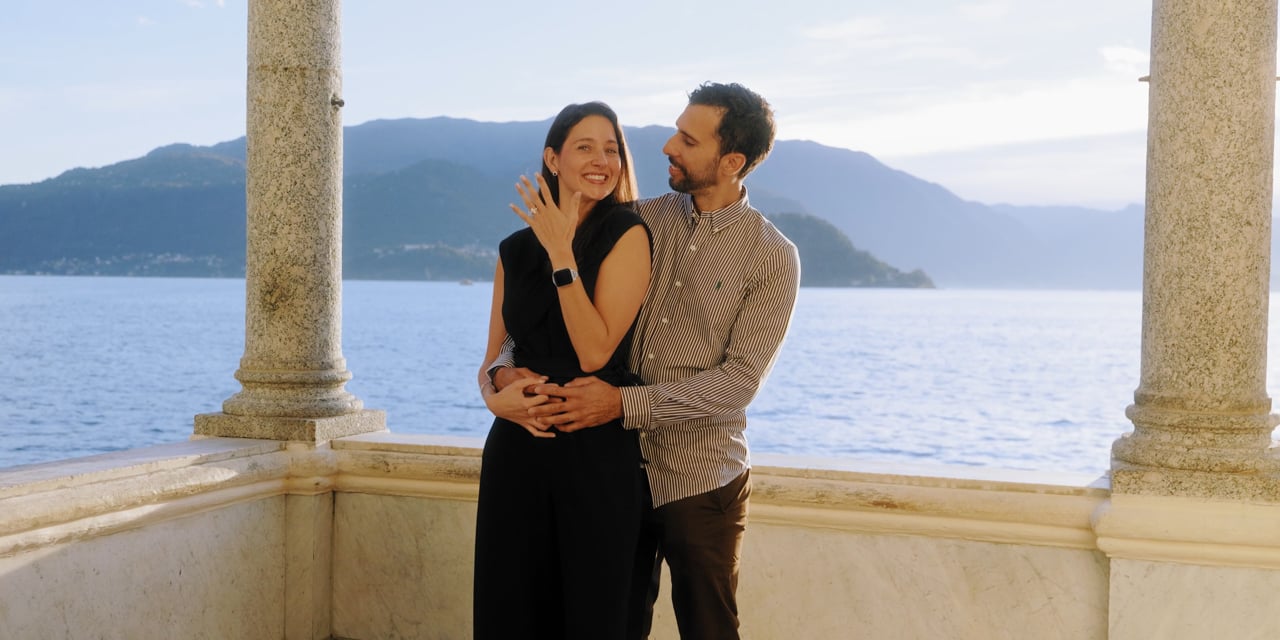
What to say when you propose: their name, one memory, one reason it is them, and the question. Four or five sentences, said slowly while you look at them. That is enough. Short proposals are often the ones couples rewatch most, because every word in them is true.
We are Anton and Sabina, two filmmakers who live in Como, and we have filmed more than 50 proposals on the lake. We are always the ones hiding nearby with a camera, and we have heard plenty of "I had a whole speech and I forgot it". This guide is for the nervous one with the ring in their pocket.
1.START WITH THE NAME AND KEEP IT SHORT
The person you are asking will hear very little. After the yes, people tell us they remember the name, the knee and the question, and almost nothing in between. A long speech is mostly for you, and it is the thing most likely to fall apart.
Here is the order that works, both in real life and on film:
- Stop walking and turn to face your partner.
- Say their name. It makes them look at you, and it tells them this is not an ordinary moment.
- Say your few sentences while you are still standing, looking at them.
- Kneel, open the ring box, and ask the question.
In the film, the name is the moment everything changes. Up to then your partner is enjoying a walk or a boat ride. When they hear their name in that tone, they turn, and you can see on their face that they understand.
Aim for something you could say in under a minute. If you have more to say, there is dinner that evening.
2.A SIMPLE STRUCTURE: MEMORY, WHY THEM, THE QUESTION
A memory
One small, specific moment: the day you met, the first trip, the night you knew. Specific beats general. "The morning you made coffee in my tiny kitchen and burnt the toast" says more than "all the wonderful times we have shared".
Why them
One or two sentences about what this person does to your life. This is the part people make too big. You do not need to describe the perfect partner, only one thing that is true and that only you would say.
The question
Then ask clearly: "Will you marry me?" Do not hide the question at the end of a long sentence or swap it for something clever. Your partner is waiting for those four words.
3.EXAMPLE LINES TO MAKE YOUR OWN
We wrote these lines for this article to show the structure. Change the details until they are about the two of you.
- "Sara, three years ago you sat next to me on a delayed flight and talked to me for six hours. I still want to hear what you have to say about everything. Will you marry me?"
- "Do you remember the first time you cooked for me, and the smoke alarm went off, and we ate cereal on the floor? That was the night I knew I wanted every evening with you, even the ones that go wrong. Will you marry me?"
- "You make every place feel like home, even a hotel room in a country where we don't speak the language. I want to build our real home with you. Will you be my wife?"
- "I have been carrying this ring for two days and checking my pocket every five minutes. I'm nervous because this matters more than anything I have ever asked. Daniel, will you marry me?"
- "When things are hard, you are the first person I want to call. When things are good, you are still the first person I want to call. Will you marry me?"
Each one is short, has one real detail and ends with the question.
4.SAYING IT IN THEIR LANGUAGE
If your partner grew up speaking another language, think about asking the question in it, even if everything else is in the language you share. It can mean a lot, especially if you rarely speak it together.
- Keep that part very short. The question alone is enough.
- Practice the pronunciation with someone who speaks the language and can keep a secret.
- If you worry about your accent, say it anyway. Your partner will hear the effort, not the mistakes.
On film it works too: even viewers who do not understand the words understand what is happening.
5.PRACTICE IT, DON'T MEMORIZE IT
With a memorized speech, if you lose one word, you lose the whole thing, and under that much adrenaline you probably will.
Remember the three parts instead: the memory, the one thing about them, the question. Practice out loud a few times, in different words each time, in the shower or the car. On the day the ideas will come out even if the sentences are different, and you will sound like yourself.
Nerves
Being nervous is normal, and it looks good on camera. A shaky voice and a deep breath before the question are some of the most human moments in a proposal film.
On the day, eat something and take one slow breath when you stop walking, before you say the name. If you planned it with us, we are already in place, so you can forget the camera and think only about your partner.
If you forget everything
Then just ask. Say their name, kneel, open the box and say "Will you marry me?" That is a complete proposal. Tell them the rest that evening.
6.HANDS, THE RING BOX AND KNEELING
The ring box
Carry the box where it does not make an obvious square shape. Practice opening it a few times: some hinges are stiff, and you do not want to fight one with shaking hands. When you open it, the ring faces your partner.
Kneeling
Kneel on one knee, close enough that they can reach you. Glance at the ground first: gravel paths and old stone terraces can be uneven, and boats move. Nobody minds a careful kneel.
Where to look
Look at your partner, not around for us. Before the day we send you a pin and a photo of where to stand so your partner faces the camera, so you do not need to check. Keep looking at them.
7.HOW YOUR WORDS SOUND ON FILM
This is the question we get most from people preparing their words: will we actually hear it?
The honest answer is sometimes. When we can record the words discreetly, we do, and hearing your own voice ask is one of the best parts of a film. But we would rather stay hidden than stand close enough to be noticed, and distance matters for sound. So do wind off the water, a boat engine and a busy garden. A quiet balcony is very different from a moving boat. If you are planning a proposal on the water, our guide to a private boat proposal explains how we work there.
What this means for you:
- Speak at a normal volume, a little slower than usual. Do not raise your voice for the camera.
- Keep your head up and face your partner, instead of speaking down into the ring box.
- On a boat, the words carry better with the engine off. If you would like that, ask your captain in advance to slow down and stop the engine at the spot.
Before the day we tell you what is realistic for your spot. When the words cannot be recorded cleanly, the film is built on music and pictures, and it still tells the whole story. You can see how that works in our article on what a proposal film looks like.
8.AFTER THE YES
Put the ring on their finger, stand up and hold each other for as long as you want. Do not rush to look for us. The hug after the yes is often the best part of the film, and we keep it long in the edit.
Then we come over, say hello and do a short guided session for portraits: where to walk, where to stand for the light, a few close shots of the ring. It is the only part where we give directions, and after the adrenaline most couples are glad of it. The phone calls to family can wait half an hour.
If you want help planning the rest of the day, from the cover story to the spot, read our surprise proposal planning guide, or simply send us your date and tell us what you imagine.
Questions couples ask
How long should a proposal speech be?
Under a minute is plenty. Your partner will remember the name, the knee and the question far more than the details in between. Four or five sentences, with one memory and one reason you love them, is enough. If you have more to say, say it at dinner that evening, when they can actually listen.
Should I kneel before or after I speak?
We suggest you say your few sentences standing, looking at your partner, and kneel just before the question. That keeps your faces at the same height while you talk, which is easier for both of you and looks better on film. Then you kneel, open the box and ask.
What if I start crying and can't talk?
Stop, breathe and take your time. Crying is normal and it looks honest on film, not awkward. If the words will not come, skip straight to the question: say their name, kneel and ask. Your partner already understands what is happening, and the rest of what you wanted to say can wait.
Will the camera record what I say?
When we can record the words discreetly, we do. It depends on how far away we need to stand to stay hidden, and on wind, boat engines and visitors around you. We tell you before the day what is realistic at your spot. Without clear sound, the film is built on music and pictures.
Is it okay to read from my phone or a note?
It is okay, but we would not recommend it. Looking down at a screen breaks the eye contact that makes the moment, and it shows on film. Practice the three parts out loud instead, so you know the ideas rather than the exact words. If you forget them, the question alone is still a complete proposal.
Related stories
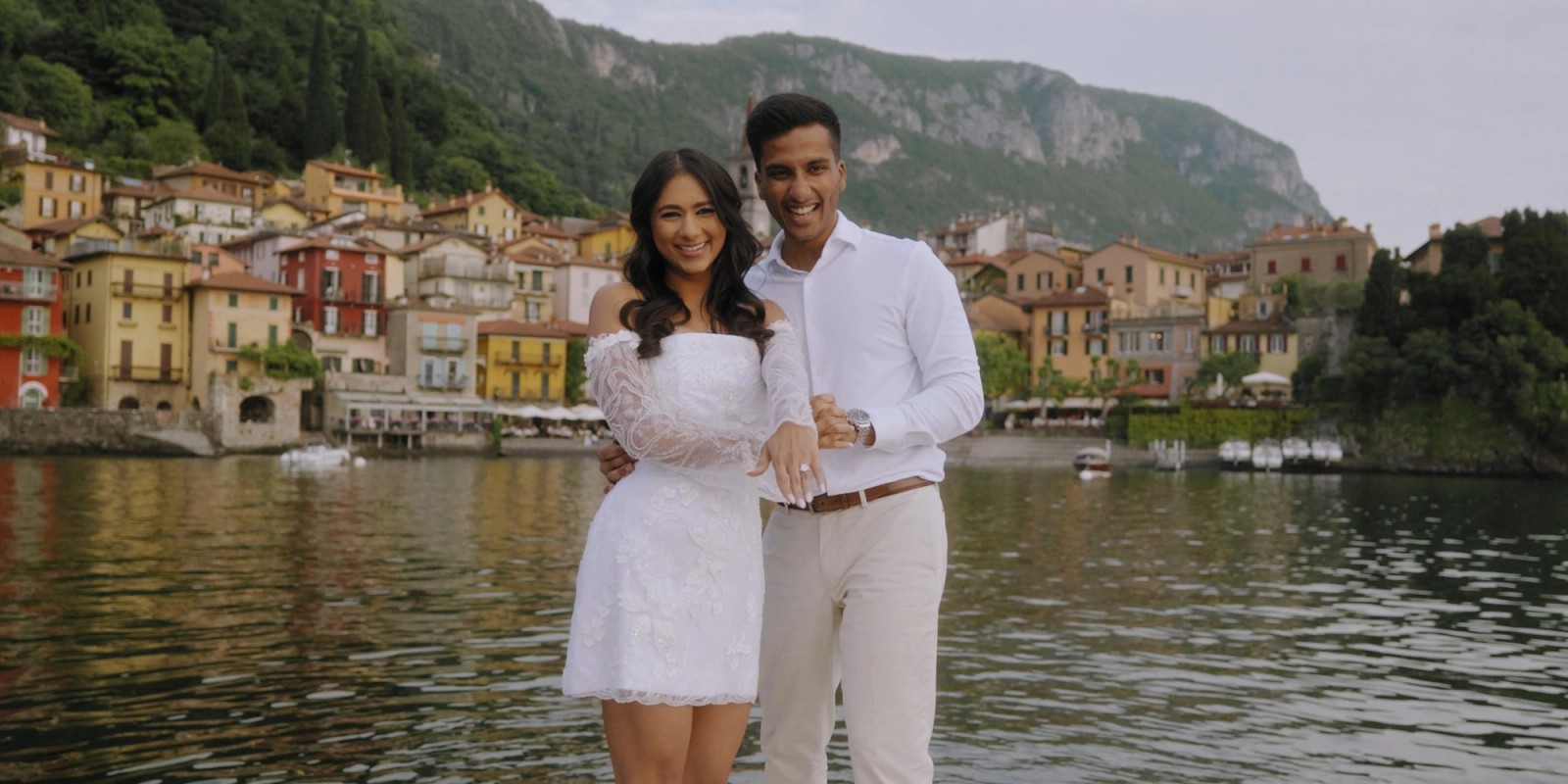
How to Get to Lake Como for a Proposal, and Where to Stay
Airports, trains, ferries and the towns to base yourself in for a proposal trip to Lake Como, from two filmmakers who live here.
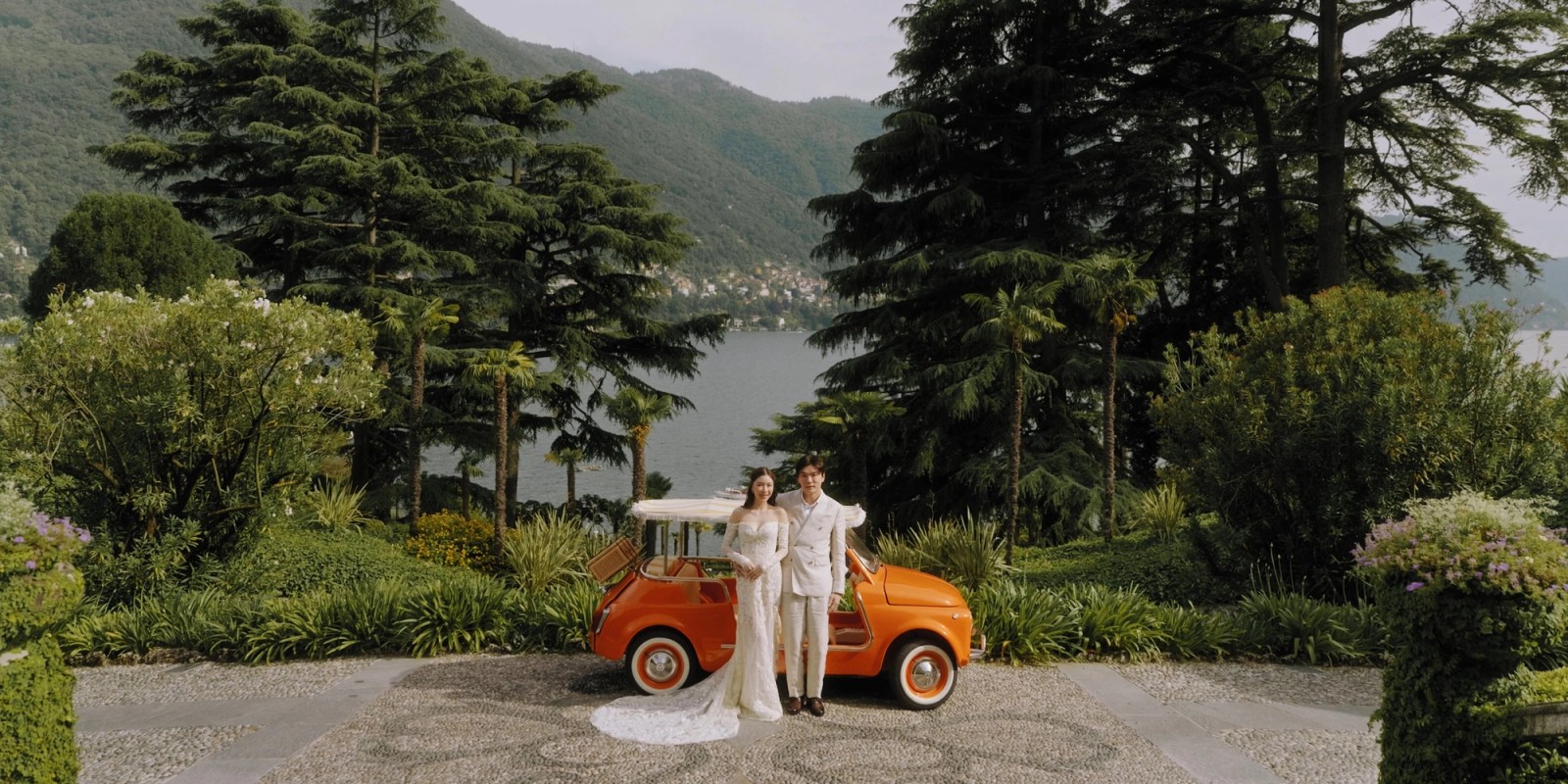
Last Minute Proposal on Lake Como: What You Can Still Plan in Days
Decided to propose a few days or two weeks before your Lake Como trip? Here is what is still realistic, what needs more time, and a plan for 48 hours or one week.
Lake Como Proposal Rain Plan: What If It Rains on the Day?
Rain on proposal day is not the end of the plan. How often it rains on Lake Como, covered spots that still look like the lake, and what to agree before you pay.